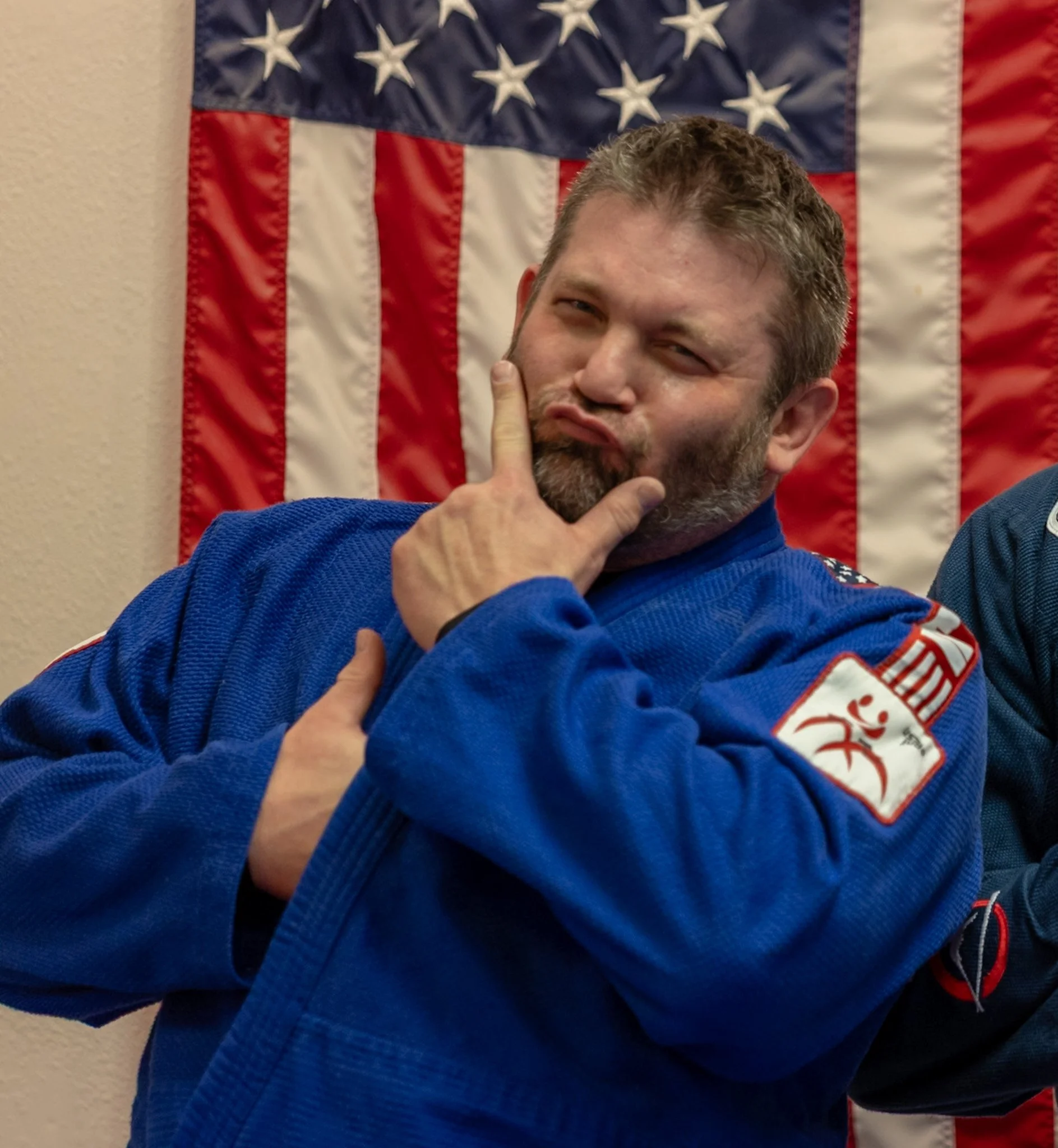
Eclectic Instructor Promoted to Second Degree Black Belt
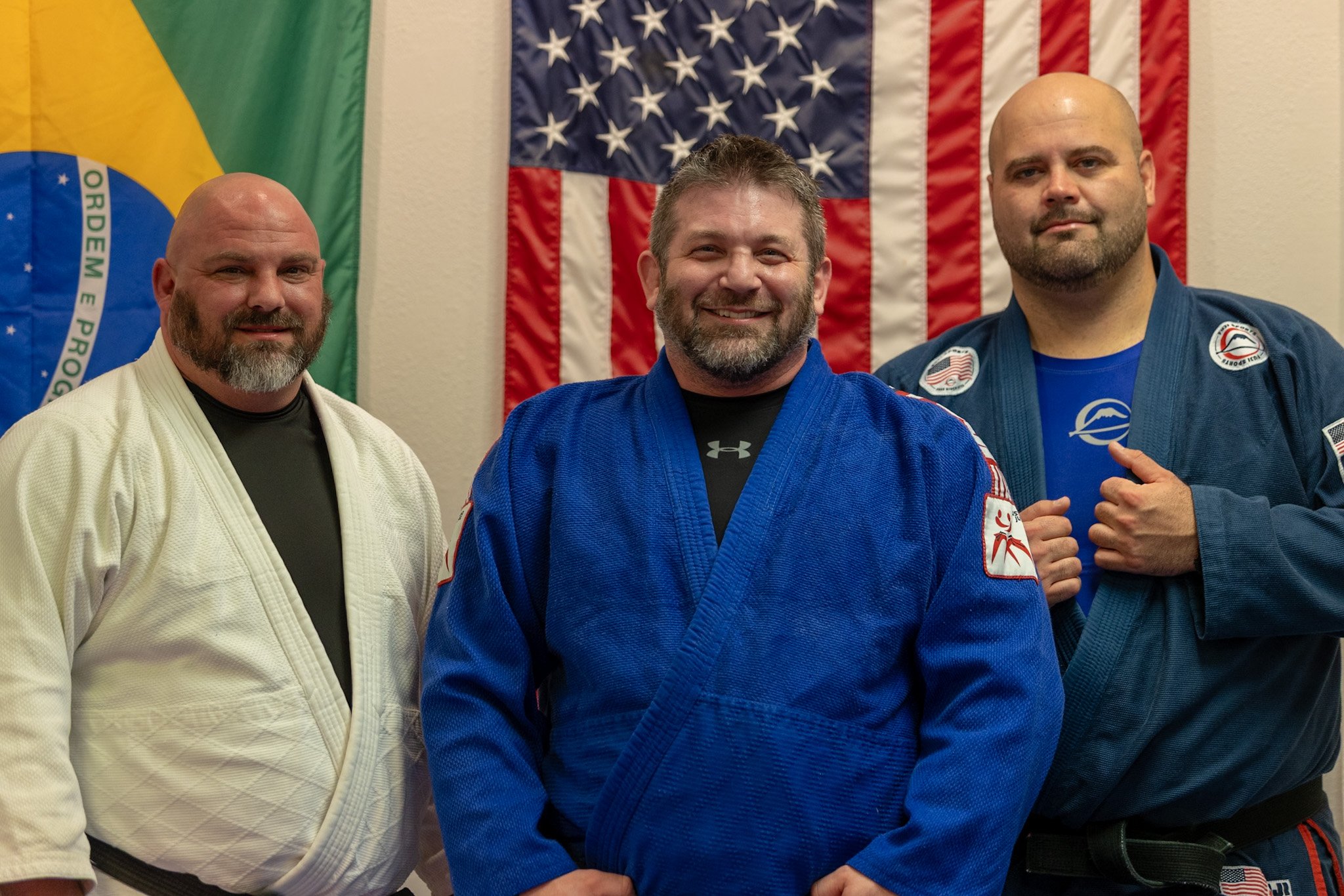
Left to Right - Sensei Chaye Thompson, Sensei Gary Hillesheim, Sensei Nick Formaro
In martial arts generally, promotions initially come at a furious pace and rapidly slow down with each progressive rank, with more stringent requirements for each promotion. At the Des Moines Judo Academy, rokyu, the rank associated with yellow belt, can generally be attained after two months, assuming you attend two classes a week, with gokyu, the orange belt, being achieved with an additional three to five months of study thereafter, assuming you train at the same pace consistently. After attaining Shodan, the first degree of black belt, advancing further requires further requires years of regular training for at least the next several promotions, as well as additional qualifications to be eligible.
On October 22nd, 2025, Sensei Gary Hillesheim qualified for and received his Nidan, or second degree black belt. Sensei Hillesheim is generally outspoken against shiai or competition, arguing that the restrictions on legal techniques disincentivizes learning the full curriculum of the Kodokan and thus stifles the creativity and development of the art, and thus chose not to qualify for promotion via competition. Instead, Sensei Hillesheim choose to meet the criteria for this promotion by learning and performing an additional Kata or “Form”, or pre-arranged routine of techniques used both for training and to demonstrate proficiency in a set of techniques or principles.
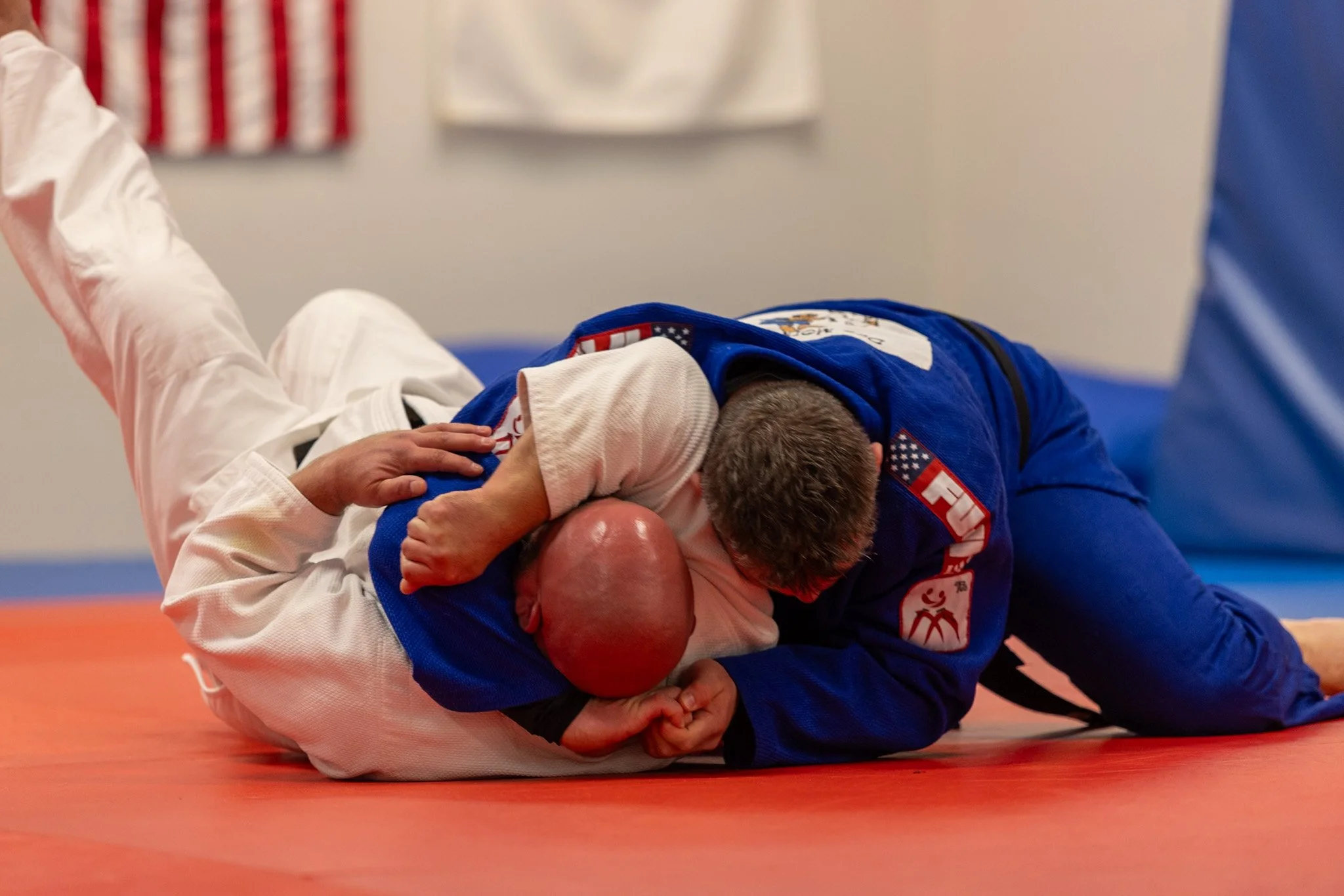
Sensei Hillesheim elected to perform the Katame-no-Kata, which translates to ”Forms of Grappling”, a routine consisting entirely of newaza or groundfighting techniques. To prepare for this, Sensei Hillesheim and Sensei Chaye Thompson trained outside regular class time to perform the Kata, and performed it as part of an examination on October 22nd, 2025. The choice of the Katame-no-Kata was in keeping with Sensei Hillesheim’s personal philosophy and teachings concerning Judo, in which he points out that there are there are five ways to win a judo match (throw, pin, strangulation, joint lock, and disqualification of opponent) but that must of competition focused Judo’s training is focused on a single method of victory (throws).
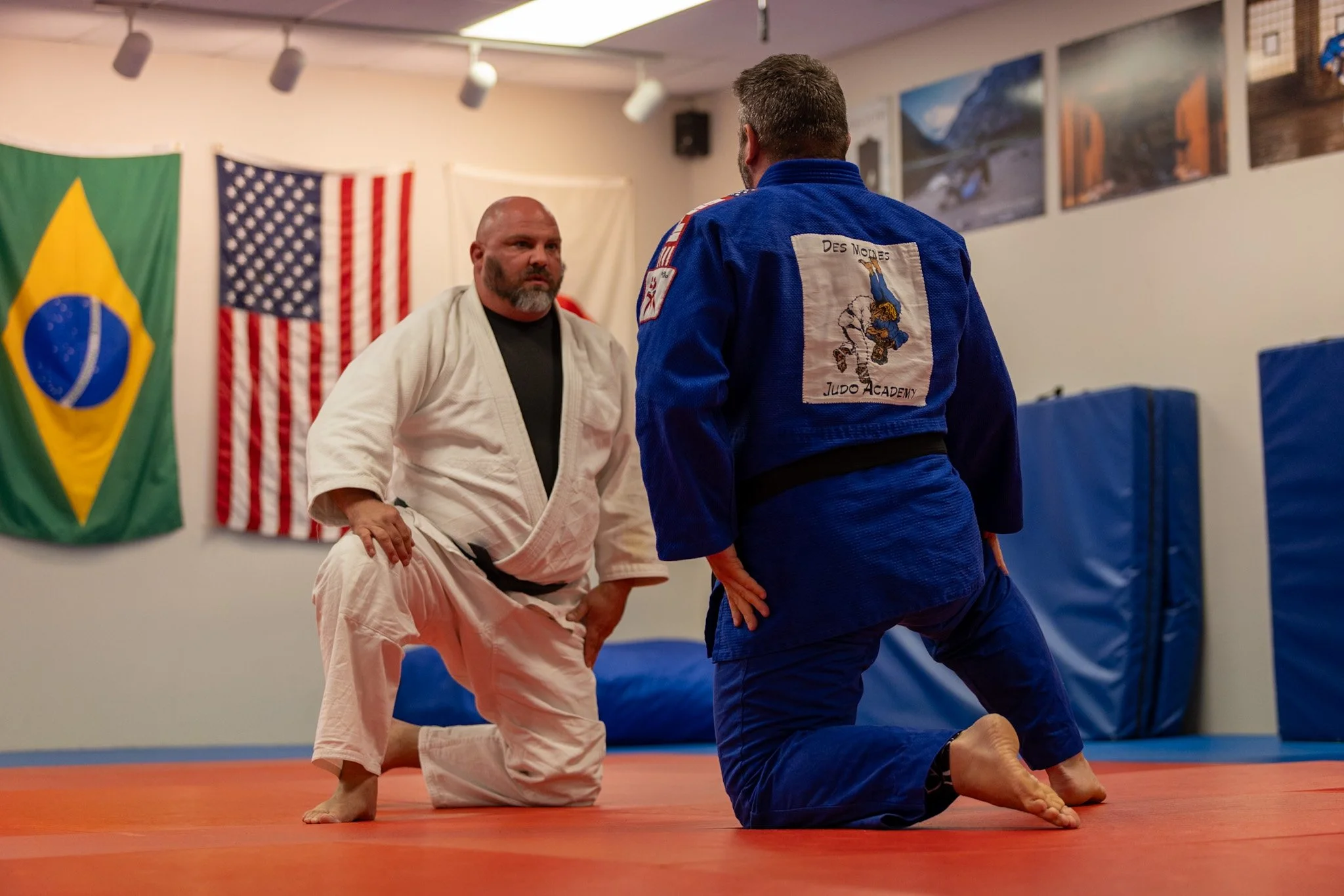
The Katame-no-Kata is deceptively challenging. Despite the tori (person performing the techniques) never having to lift or carry the uke (person on whom techniques are performed), and most of the kata being performed while kneeling, both parties actually exerted themselves enough to sweat while performing the kata. Maintaining proper posture while transitioning into and through the movements, as well as engaging in several stylized non-attack movements routed in Japanese history and tradition, adds to the challenge of performing this kata.
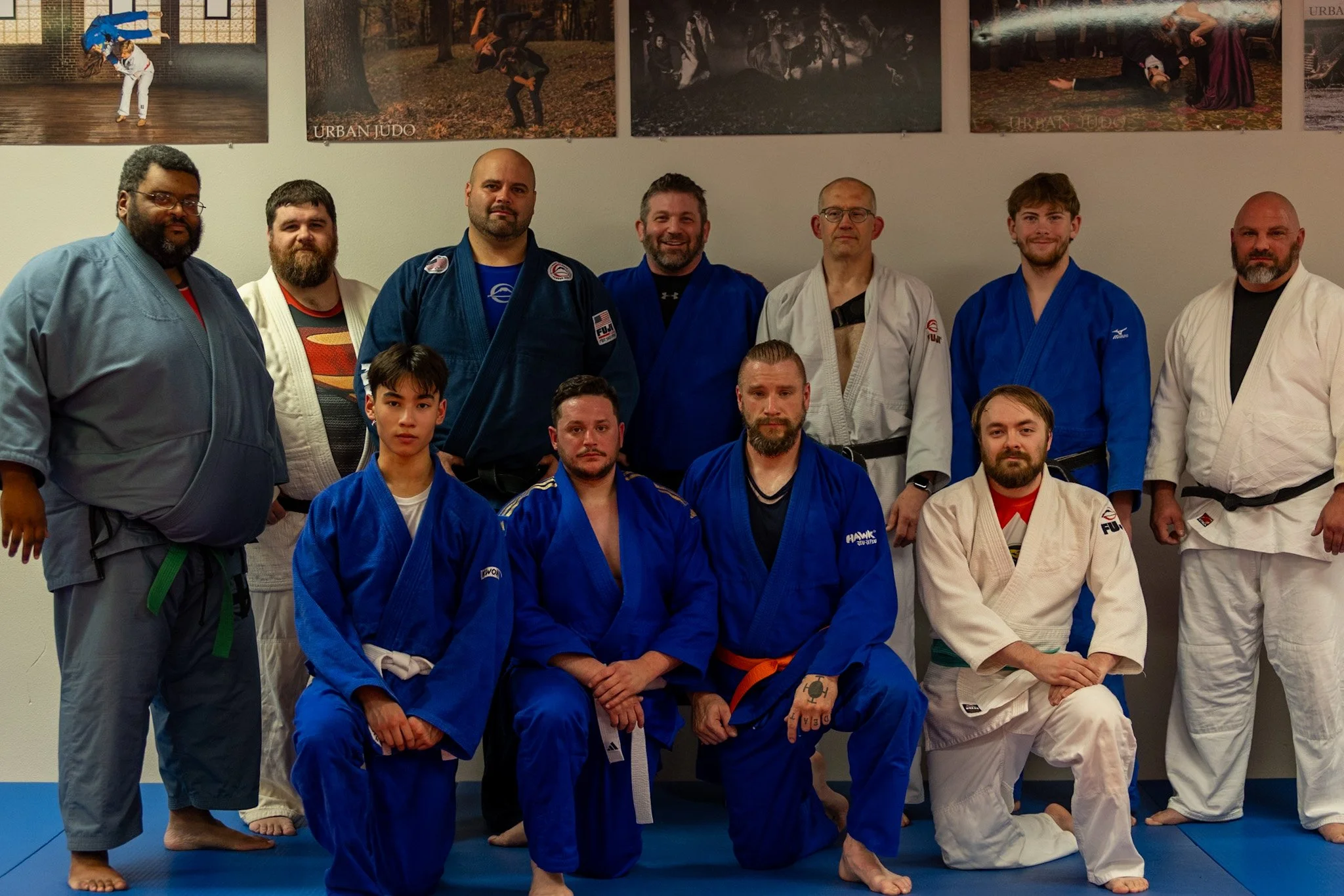
Left to Right: Top Row - Jacob van Cleaf, Sensei Ryan Suhr, Sensei Nick Formaro, Sensei Gary Hillesheim, Sensei Jeff Volcheck, Sensei Josh Pohl, Sensei Chaye Thompson
Bottom Row - Young White Belt Guy, Jake Kane, Adam Thompson, Zachary Strahl
Congratulations to Sensei Hillesheim and Sensei Thompson for performing the kata, and on Sensei Hillesheim’s promotion. Their diligence contributes to the ongoing success of the Des Moines Judo Academy, and reflects the attitude of excellence we strive to cultivate.